

Every Second Matters
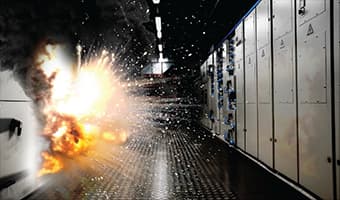
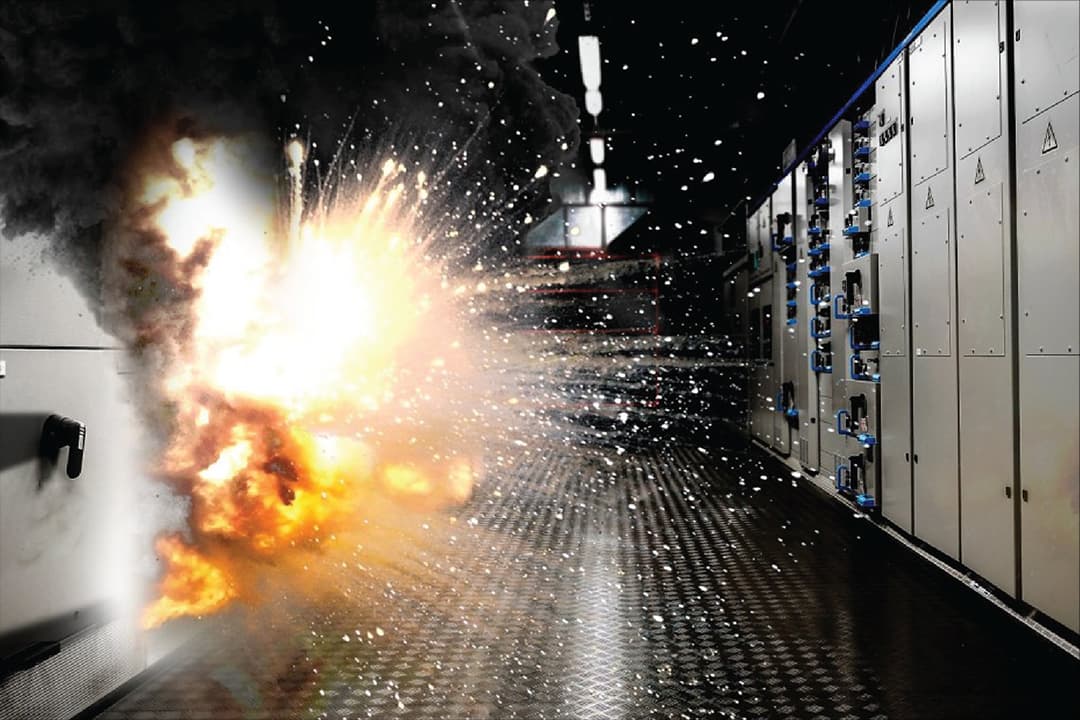
Arc flash incidents remain one of the most dangerous electrical hazards across industrial workplaces. In a fraction of a second, an unexpected electrical fault can release enormous amounts of energy, exposing workers to extreme heat, intense light, pressure waves, molten metal, flying debris, and severe burn hazards.
What Is an Arc Flash ?
An arc flash is the sudden release of electrical energy that occurs when electric current leaves its intended path and travels through the air between conductors or to the ground. Unlike a normal spark, an arc flash creates an explosive release of thermal energy capable of causing severe burns, equipment damage, and fatal injuries within milliseconds.
Why Is an Arc Flash So Dangerous?
- Temperatures can exceed 19,000°C.
- Intense thermal radiation can cause severe burns.
- Molten metal may be projected at high speed.
- Pressure waves (arc blast) can throw workers and damage equipment.
- Flying debris, toxic gases, loud noise, and blinding light increase injury severity.
What Causes an Arc Flash?
- Dust, moisture, or corrosion on electrical equipment
- Loose wiring or faulty electrical connections
- Accidental contact with energized parts
- Equipment malfunction or insulation failure
- Unsafe work practices or human error
How Can Arc Flash Incidents Be Prevented?
- Conduct an Arc Flash Risk Assessment before electrical work.
- De-energize equipment whenever possible.
- Follow Lockout/Tagout (LOTO) procedures.
- Carry out routine inspection and preventive maintenance.
- Use insulated tools and equipment.
- Train only qualified personnel for energized work.
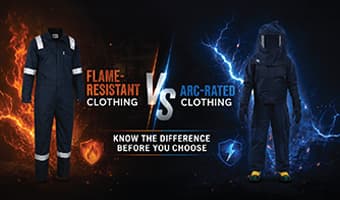
- Wear certified Arc-Rated PPE appropriate for the calculated incident energy.
Why Arc-Rated PPE Is Essential
The most effective way to prevent arc flash injuries is to eliminate the hazard wherever possible. Whenever possible, electrical equipment should be de-energized before work begins. When energized work cannot be avoided, certified Arc-Rated PPE becomes the final layer of protection, helping reduce thermal energy transfer and minimize the severity of burn injuries.
How to Choose the Right Arc Flash PPE
- Select PPE based on the calculated incident energy (cal/cm²) rather than system voltage alone
- Ensure compliance with NFPA 70E, ASTM F1506, and IEC 61482.
- Choose properly fitting PPE for comfort and mobility.
- Inspect garments before every use.
- Replace damaged or contaminated PPE immediately.
What Should an Arc Flash PPE Kit Include?
- Arc-Rated Coverall or Suit
- Arc Flash Hood
- Face Shield
- Dielectric Safety Helmet
- Arc-Rated Gloves
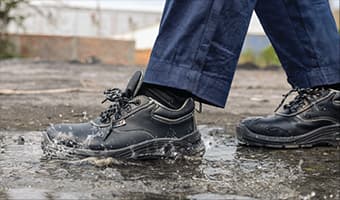
- Electrical Safety Footwear
- Storage Bag
Inspect Your PPE Before Every Use
- Check for tears, cuts, or burn marks.
- Inspect zippers, closures, and stitching.
- Ensure face shields are clean and undamaged.
- Replace contaminated or worn garments immediately.
International Standards for Arc Flash PPE
Always check that your PPE is certified. The most recognized standards include:
- NFPA 70E – Electrical Safety in the Workplace
- ASTM F1506 – Performance of textiles for arc protection
- IEC 61482 – Protection Against Thermal Hazards of an Electric Arc
Protect Your Workforce with Udyogi Arc Flash Solutions
Udyogi offers a comprehensive range of Arc Flash PPE designed for electrical maintenance, utilities, manufacturing, and high-risk industrial environments. Our solutions include ARC KNIGHT PRO Arc-Rated Suits, Arc Flash Hoods with Face Shields, Arc-Rated Gloves, and complete PPE kits engineered to meet internationally recognized safety standards.