

High Cut Resistance Solutions
Protecting Body, Hands and Arms from Sharp Object Hazards
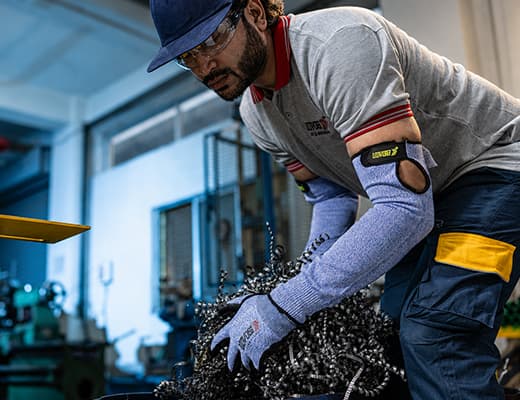
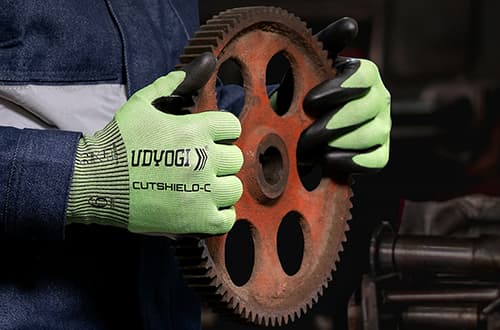
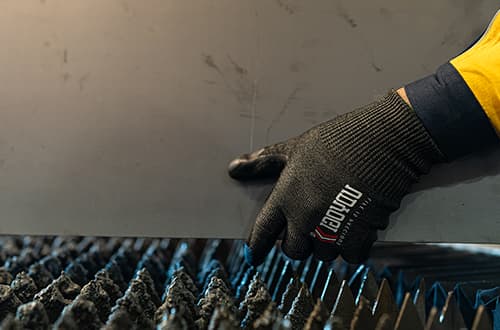
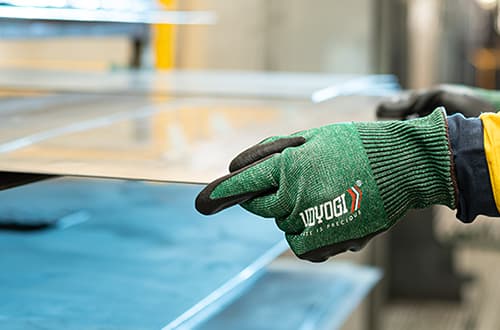
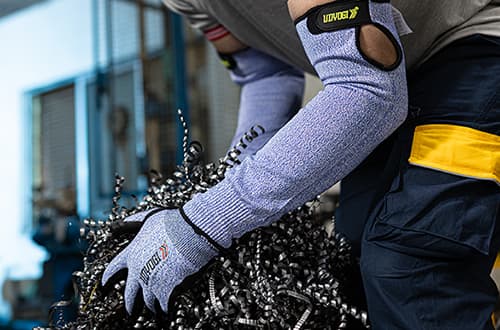
Across metal fabrication, glass handling, automotive assembly, sheet metal processing, food processing, recycling, and general manufacturing environments, workers routinely handle sharp edges, blades, metal sheets, and abrasive materials that put hands and forearms at constant risk of laceration.
Cut injuries remain among the most common workplace hand injuries, and effective protection depends on correctly matching glove and sleeve performance to the specific cutting hazard present in each task.
Cut Hazards (ICONs)
Sharp Metal Edges
Lacerations from handling sheet metal, stamped parts, or metal scrap.
Glass & Ceramic Handling
Cuts from broken or unfinished glass and ceramic materials.
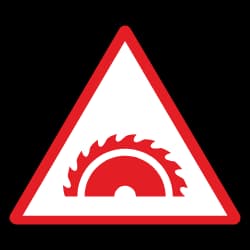
Blade & Knife Contact
Injuries from cutting tools used in fabrication, packaging, or food processing.
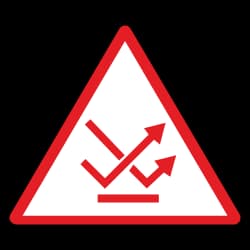
Abrasive Material Handling
Skin damage from repeated contact with rough or abrasive surfaces.
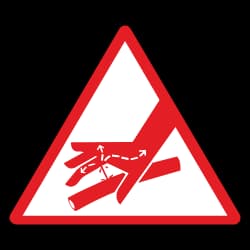
Puncture Hazards
Injuries from sharp points such as wire, nails, or metal shards.
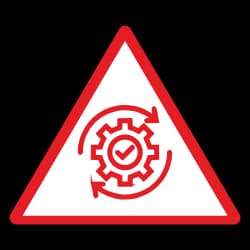
Repetitive Micro-Cuts
Cumulative small lacerations from repeated handling of sharp-edged components.

Why Cut Level Matters
The Impact of Inadequate Cut Protection
- Lacerations requiring medical treatment or stitches
- Tendon and nerve damage from deep cuts
- Lost-time injuries
- Reduced hand function and dexterity for future tasks
- Increased workers' compensation claims
- Regulatory non-compliance
Understanding Protection
Not all cut-resistant gloves offer the same level of protection. Choosing an under-rated glove for a high-hazard task leaves workers exposed to serious laceration injury, while over-specifying can unnecessarily reduce dexterity and comfort. Effective hand and arm protection depends on matching the correct cut-resistance level, material, and coating to the specific task, ranging from light material handling to high-risk metal and glass handling operations.
Standards & Performance Classification

Protective Gloves Against Mechanical Risks — rates abrasion, cut, tear, and puncture resistance, with cut resistance measured via the Coup test (Levels A-F) or the TDM/ISO 13997 blade-cut test for higher-performance materials.

American National Standard for Hand Protection Classification - Rates cut resistance on the ANSI A1-A9 scale.
Matching Cut Level to Task Risk
Low (EN 388 Level A / ANSI A1-A2) — Light material handling with minimal cut exposure
Medium (EN 388 Level B-D / ANSI A3-A5) — General handling of metal parts, glass, or moderately sharp materials
High (EN 388 Level E-F / ANSI A6-A9) — Heavy-duty handling of sharp metal, glass, or blades where laceration risk is severe
These classifications help safety professionals match glove and sleeve selection to the specific cutting risk present at each workstation, rather than defaulting to the highest level everywhere.